What Condensation on Windows Means for Your Kansas City Home
By Josh Gibbs, Owner of Mr. Home Renewal
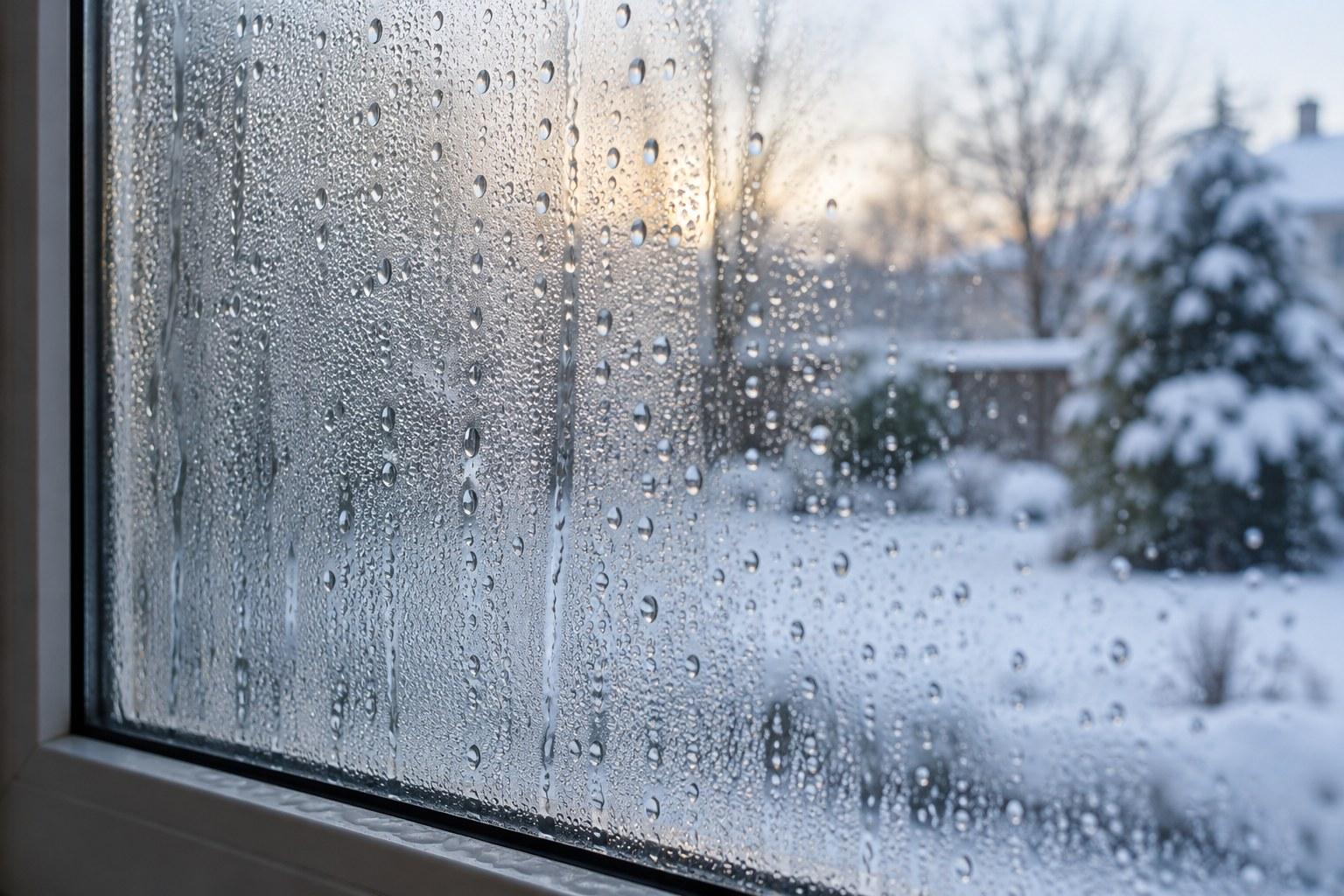
On a cold Kansas City morning, it is common to find water droplets or a light fog on the inside of your windows. Sometimes it clears up by lunch and is nothing to worry about. Other times it runs down the glass, soaks the sill and leaves dark spots on the trim, and that is a sign something needs attention.
Condensation on windows is really a message about the moisture in your home and the condition of your windows. This guide explains what causes it, how to tell the difference between harmless and harmful condensation and what you can do to reduce it this winter.
Wondering whether your windows are ready for another winter?
Key Takeaways
- Condensation forms when warm, moist indoor air touches a cold glass surface and cools down.
- Light condensation on the inside of the glass on very cold mornings is usually normal.
- Heavy, frequent condensation can point to high indoor humidity or windows that are losing their insulating value.
- Fog or moisture between the panes of a double pane window means the seal has failed and the unit will not seal itself again.
- Better ventilation, humidity control and well-sealed windows all help reduce condensation.
What Causes Condensation on Windows?
Air always holds some water vapor. Warm air can hold more of it than cold air. When warm indoor air touches a surface that is colder than its dew point, the air cools, it can no longer hold all of that moisture and the extra water collects as droplets on the surface.
In winter, window glass is usually the coldest surface inside your home. That is why condensation shows up on windows first, often along the bottom edge of the glass where the air is coolest. The colder it gets outside and the more moisture there is inside, the more condensation you will see.
Everyday Sources of Indoor Moisture
Normal daily life adds a surprising amount of water vapor to the air. Common sources include:
- Showers and baths
- Cooking, especially boiling water
- Running the dishwasher or drying clothes indoors
- Houseplants and aquariums
- Humidifiers set too high
- Breathing, especially in bedrooms with doors closed overnight
The Three Types of Window Condensation
Where the moisture appears tells you a lot about what is going on.
Condensation on the Inside of the Glass
This is the most common type in winter. A little fog on cold mornings that clears as the day warms up is usually normal. If it is heavy, shows up on most windows every day or drips onto the sill, indoor humidity is likely too high, or the windows are not keeping the inside pane warm enough.
Condensation on the Outside of the Glass
Moisture on the exterior side of the glass usually shows up on cool mornings when the outdoor air is humid. It is generally harmless and can actually mean your windows are doing a good job of keeping indoor heat from reaching the outer pane.
Condensation Between the Panes
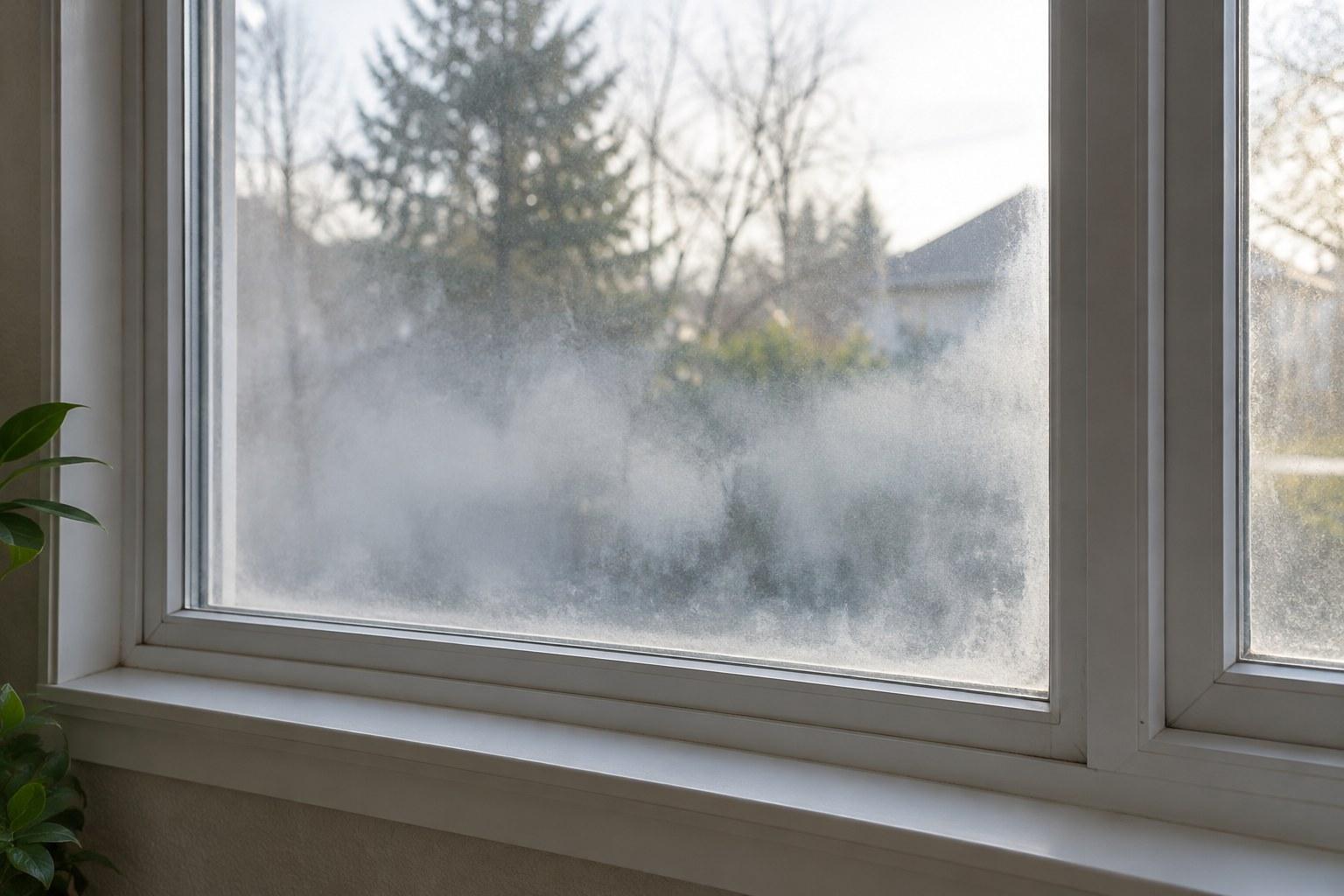
If you see fog, droplets or a cloudy film trapped between the two panes of glass, the seal around that insulated glass unit has failed. Moist air has gotten into the space between the panes, and wiping the glass will not help because the moisture is sealed inside. A failed seal also means the window has lost much of its insulating value.
Seeing fog trapped between the panes?
Why Kansas City Homes See So Much Window Condensation
Kansas City weather makes window condensation more common than many homeowners expect. Winter nights often drop well below freezing, which chills the glass, while families keep the inside of the home warm and closed up. The bigger the gap between indoor and outdoor temperatures, the more easily moisture in the air turns to water on the coldest surface in the room, and that surface is usually a window.
Home age plays a part too. Many houses across the metro still have original windows, older aluminum frames or single pane glass, and these surfaces stay much colder than modern insulated windows. On the other end, newer homes are built tighter, which saves energy but can trap more moisture inside if exhaust fans are not used regularly.
The swing between seasons adds to the problem. Humid summers can leave moisture in basements, crawl spaces and framing, and that moisture slowly works its way back into the living space once the heat comes on. If you notice that condensation is worst on lower floors or in rooms near the basement, extra moisture from below may be part of the cause.
Why Condensation Can Become a Problem
An occasional foggy window is not cause for alarm. Ongoing condensation is different. When water drips off the glass day after day, it collects on sills and frames and can lead to:
- Peeling paint and stained trim around the window
- Soft or rotting wood in sills, frames and the wall framing below the window
- Mold and mildew on frames, caulk lines and nearby drywall
- Water damage to flooring and walls under the window
Persistent condensation can also be a sign that moisture is building up elsewhere in the house, including the attic, where it can affect the roof deck and insulation.
How to Reduce Condensation on Windows
Most homeowners can cut down on condensation with a few simple habits and small changes.
Lower Indoor Humidity
Run bathroom exhaust fans during and after showers, and use the kitchen range hood when cooking. If you use a humidifier, turn it down during the coldest stretches of winter. An inexpensive humidity monitor can help you see how much moisture is in the air.
Keep Air Moving
Open blinds and curtains during the day so warm room air can reach the glass. Ceiling fans set to run clockwise on low can push warm air down and around the room. Keep furniture from blocking heating vents near windows.
Make Sure Exhaust Fans Vent Outside
Bathroom and kitchen fans should send moist air outdoors, not into the attic or wall cavities. If a fan vents into the attic, that moisture can condense on the underside of the roof deck when temperatures drop.
Seal Drafts Around Windows
Cold air leaking around a window frame chills the glass and the frame even further, which makes condensation worse. Fresh weatherstripping and caulk around the frame can help, as long as the window itself is still in good shape.
Use Window Coverings Wisely
Heavy curtains and tightly closed blinds keep warm room air away from the glass, which lets the window get even colder and makes condensation worse. Open coverings for part of the day, especially in bedrooms and bathrooms, so warm air can reach the glass and dry it out.
Run a Dehumidifier in Problem Rooms
If one room always has wet windows, a small dehumidifier can make a noticeable difference. Basements, laundry rooms and bedrooms with several people sleeping in them are common trouble spots. Empty the tank often and keep the unit away from walls so it can move air freely.
Wipe Up Moisture Every Day
While you work on the cause, dry the glass and sills each morning with a towel. This simple habit keeps water from soaking into wood frames, drywall and paint, and it gives you a clear picture of which windows collect the most moisture over time.
When It Is Time for New Windows

Lifestyle changes help with normal condensation, but they cannot fix a window that is failing. Consider replacement if you notice:
- Fog or moisture between the panes that does not go away
- Soft, rotted or cracked frames and sills
- Heavy condensation on one or two windows while others in the same room stay clear
- Drafts you can feel even after new weatherstripping
- Single pane windows that frost over on the inside during cold snaps
Modern replacement windows with insulated glass keep the inside pane warmer, which reduces the chance of condensation and helps make rooms more comfortable. Mr. Home Renewal installs replacement windows as well as patio doors and entry doors for homeowners across Lee's Summit and the Greater Kansas City area, and financing options are available through Foundation Finance.
How Mr. Home Renewal Can Help
Sometimes the best fix for window condensation is simple, like running fans longer or lowering the humidifier setting. Other times the windows themselves are the problem. If you see fog between the panes, soft or stained frames, or drafts that weatherstripping cannot stop, it may be time for a professional opinion.
Mr. Home Renewal works with homeowners across the Kansas City metro to look at the whole picture. We check the condition of the glass, seals, frames and sills, and we look for signs of water damage around the opening. We also point out ventilation or air leak issues that may be adding moisture, so you are not replacing windows to solve a problem that starts somewhere else.
If replacement makes sense, we can walk you through options such as double pane and energy efficient glass, different frame materials and window styles that fit the look of your home. Getting the right windows installed with a tight, well sealed fit is one of the most reliable ways to keep glass warmer and drier through the winter months.
Frequently Asked Questions
Is condensation on windows normal in winter?
Some condensation on the inside of the glass on very cold mornings is normal. If it is heavy, happens every day or leaves water pooling on the sill, it is worth looking into.
Why do I only get condensation on some of my windows?
Rooms with more moisture, such as bathrooms, kitchens and bedrooms, tend to see more condensation. If one window fogs much more than others in the same room, that window may have a failing seal or poor insulation.
Can condensation between window panes be fixed?
Once the seal on an insulated glass unit fails, wiping or drying the glass will not solve it. The glass unit or the full window usually needs to be replaced to restore its insulating value.
Does condensation mean my windows are bad?
Not always. Condensation on the inside of the glass is often caused by high indoor humidity. Condensation between the panes, however, does mean that window has a failed seal.
What indoor humidity level helps reduce window condensation?
Lower humidity means less condensation, especially on the coldest days. A humidity monitor helps you see the level in your home, and turning down humidifiers during cold snaps is a good place to start.
Will new windows stop condensation completely?
New windows reduce condensation by keeping the inside glass warmer, but no window can prevent it entirely if indoor humidity is very high. Pairing new windows with good ventilation gives you the best results.
Keep Your Windows Clear This Winter
A little fog on a frosty morning is part of living through a Kansas City winter. Water dripping onto the sill every day or fog trapped between the panes is a different story. Take steps to control indoor moisture, seal up drafts and keep an eye on any window that seems to fog more than the rest. Call Mr. Home Renewal at (816) 282-1651, or visit us at 833 SW Lemans Ln, Ste 216, Lee's Summit, MO 64082, to talk about replacement windows for your Greater Kansas City home.
Ready for clearer, more comfortable windows?