How Attic Ventilation Affects the Life of Your Kansas City Roof
By Josh Gibbs, Owner of Mr. Home Renewal
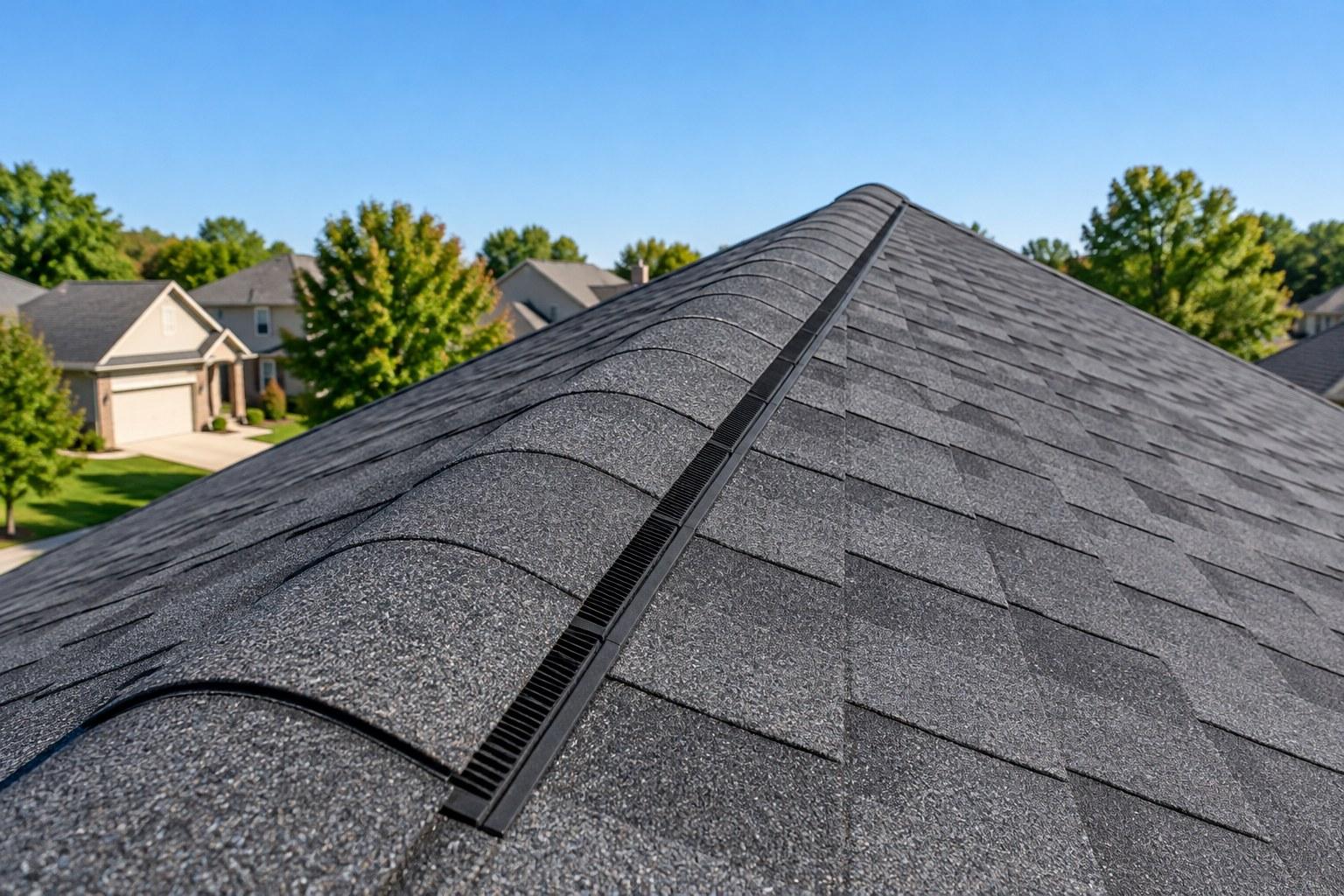
When homeowners think about what makes a roof last, they usually think about shingles. The space underneath matters just as much. Your attic sits between the heated living space and the roof deck, and how well it breathes affects the shingles, the wood decking, your energy bills and even your comfort indoors.
Kansas City puts attics through a lot. Summers bring heat and humidity, and winters swing between freezing nights and sunny thaws. This guide explains how attic ventilation works, what happens when it falls short and how to tell whether your home needs a closer look.
Curious how your roof and attic are holding up?
Key Takeaways
- Attic ventilation moves outside air through the attic to carry away heat in summer and moisture in winter.
- A balanced system pairs intake vents low on the roof, usually in the soffits, with exhaust vents near the ridge.
- Poor attic ventilation can lead to blistered shingles, a soft or sagging deck, mold, ice dams and higher energy bills.
- Many Kansas City homes built from the 1940s to the 1960s, along with some fast-built subdivisions, were built with minimal venting.
- Ventilation is easiest and most cost-effective to correct during a roof replacement, when the deck is exposed.
What Attic Ventilation Does
Attic ventilation is a simple idea. Cooler outside air comes in near the bottom of the roof, flows up through the attic and leaves near the top, taking heat and moisture with it. That steady airflow keeps the attic closer to the outdoor temperature and humidity.
In summer, that airflow carries off heat that builds up under the shingles on sunny days. In winter, it carries off moisture that rises from the living space through cooking, showers, laundry and even breathing. Without a way out, that heat and moisture stay trapped right under your roof deck.
How a Balanced System Works
Good attic ventilation depends on balance between intake and exhaust. Intake vents, usually in the soffits under the eaves, let fresh air in. Exhaust vents, such as a ridge vent along the peak, let warm, moist air out. Warm air naturally rises, so it flows toward the ridge and pulls cooler air in through the soffits behind it.
If a home has plenty of exhaust but little intake, the system cannot pull in enough air to work well. If intake vents are blocked by insulation, paint or debris, airflow stalls. Both sides need to work for the attic to breathe.
How Poor Attic Ventilation Shortens Roof Life
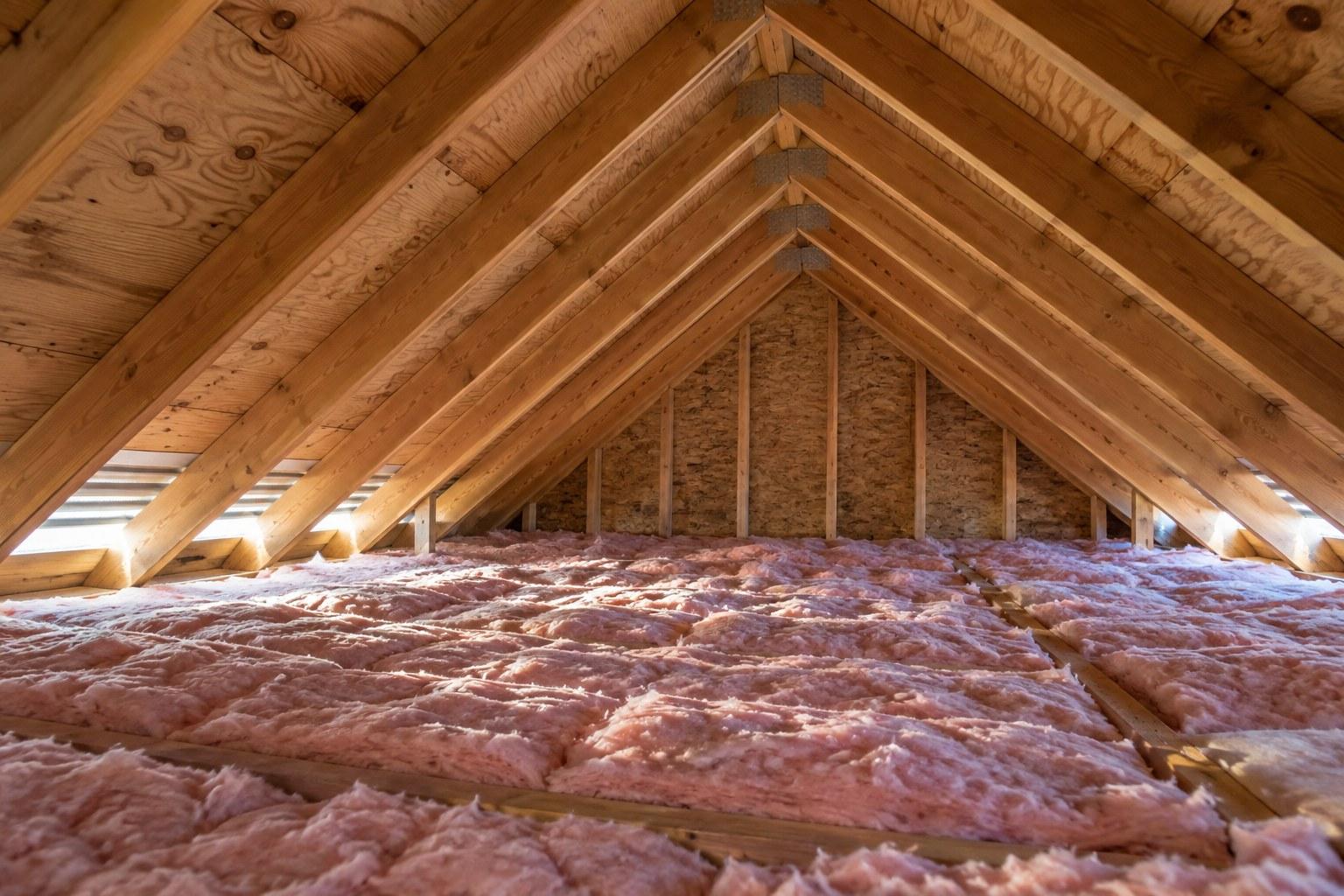
A roof is a system, and the attic is part of it. When ventilation falls short, the damage often starts out of sight and shows up later as problems with the shingles, the decking or the rooms below.
Heat Damage to Shingles
Trapped summer heat bakes shingles from below as well as from the sun above. Over time, that extra heat can cause shingles to blister, curl and lose their protective granules faster. Granules collecting in your gutters is a sign the shingles' UV shield is washing away.
Moisture, Rot and Mold
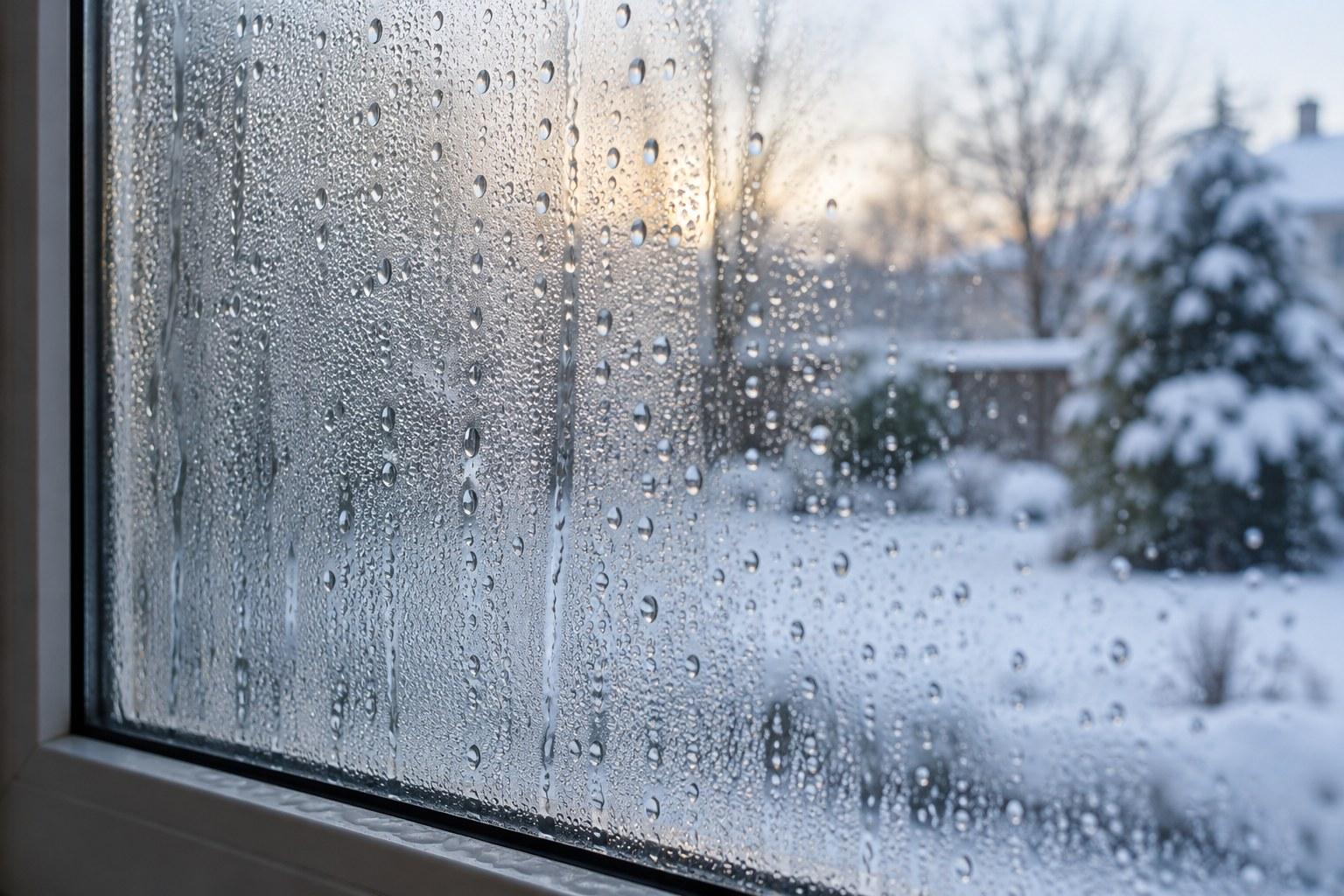
In colder months, warm, moist air rises into the attic and condenses on the cold underside of the roof deck. That moisture can soak into the wood, rust nails and feed mold. Left alone, it can lead to a soft, spongy deck that sags between the rafters. Trapped moisture and poor ventilation are common causes of widespread blistering and soft spots.
Ice Dams in Winter
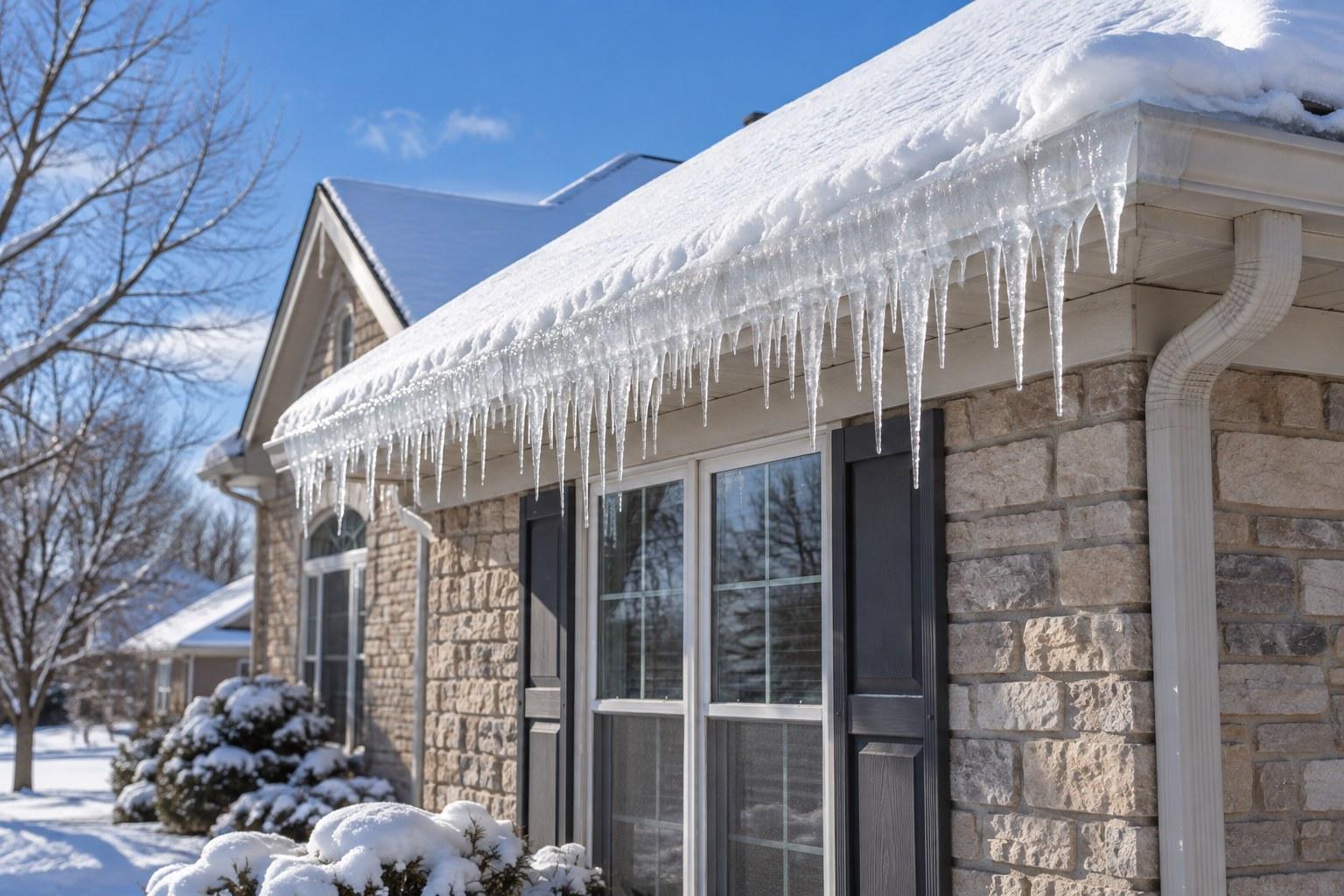
A warm attic warms the roof deck, which melts snow on the upper roof. That water refreezes at the colder eaves and forms an ice dam, which can push water under shingles and into the home. Balanced ventilation helps keep the roof deck cold so snow melts more evenly.
Higher Energy Bills and Uneven Comfort
An overheated attic makes your air conditioner work harder in summer, and upstairs rooms often feel noticeably warmer than the rest of the house. Better airflow, paired with good insulation, helps your home stay more comfortable year-round.
Ventilation problems also tend to build slowly. A roof that is short on airflow may look fine for years while the decking absorbs a little more moisture each winter and the shingles take a little more heat each summer. By the time the damage shows from the street, repairs are often larger than they would have been if the issue had been caught early. That is why ventilation deserves a look during any roof inspection, not just when a leak appears.
Why Many Kansas City Homes Need a Closer Look
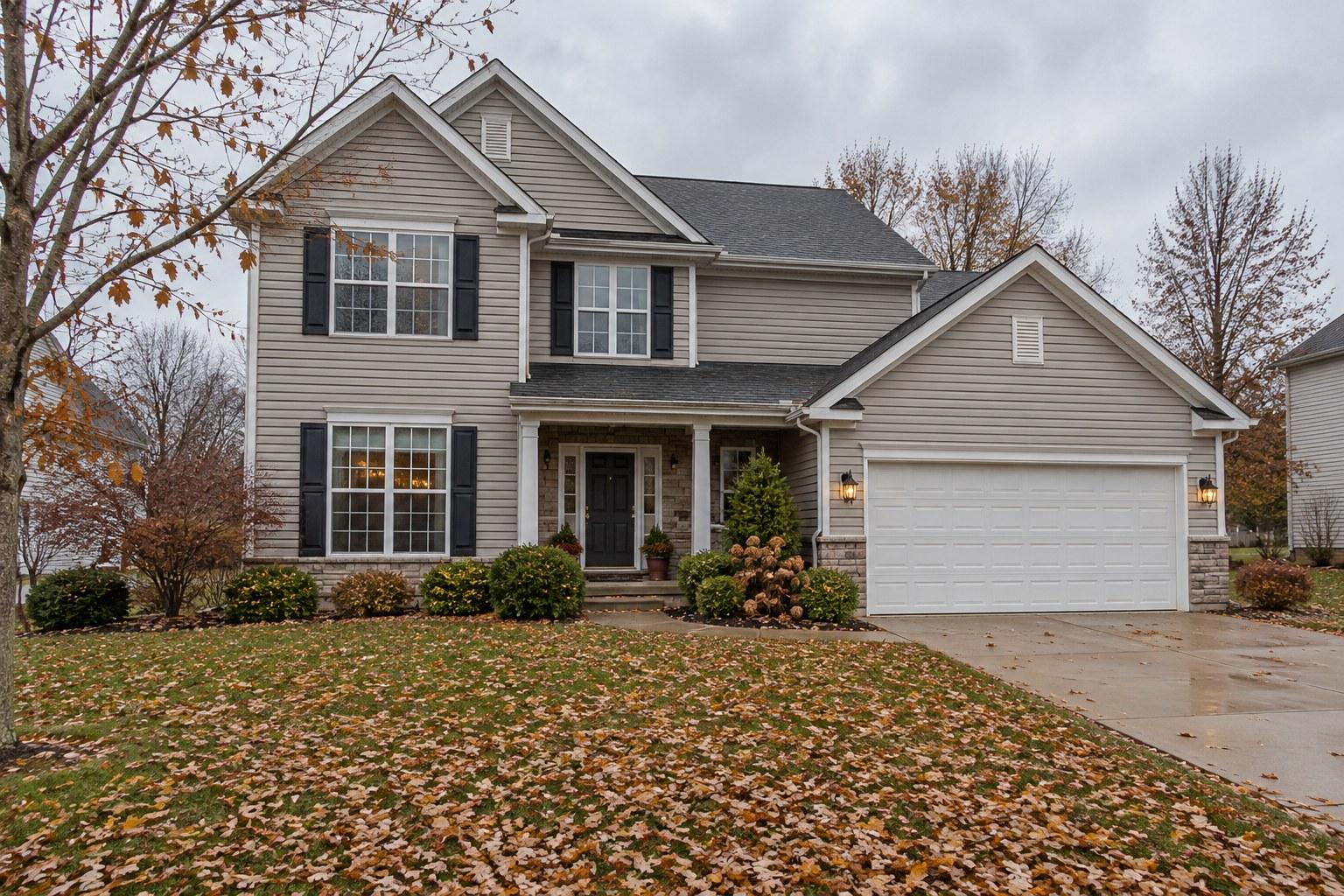
Much of the metro's housing dates from the post-war building boom of the 1940s to 1960s, which shapes decking, ventilation and window sizes. Many mid-century homes in areas like Prairie Village, with its classic 1950s ranches and Cape Cods, were built with minimal attic venting by today's standards.
Newer homes are not always better. Some fast-built neighborhoods got only the minimum, with thin flashing, short kick-outs and too few vents. On top of that, homes near Longview Lake, Lake Lotawana, Raintree Lake and creek bottoms see extra humidity, which makes balanced attic ventilation even more important.
Not sure whether your attic has enough airflow?
Warning Signs of Poor Attic Ventilation
Many signs show up from the yard or a quick trip into the attic. Watch for these:
- Blistered or curling shingles. Shingles that bubble or curl well before their expected age can point to trapped heat.
- Granules in the gutters. Heavy granule loss means the shingles are wearing faster than they should.
- A sagging roofline or soft deck. Waves or dips between rafters can signal moisture damage in the decking.
- Frost, mold or damp insulation in the attic. These are signs moist air is collecting with nowhere to go.
- Rusty nails or water stains on the rafters. Condensation drips leave marks on wood and metal.
- Large icicles and ice dams in winter. Uneven melting is often tied to a warm attic.
- A very hot upstairs in summer. Rooms under the roof that stay hot even with the AC running can point to an overheated attic.
Common Types of Roof Vents
There is more than one way to ventilate an attic. The right mix depends on the roof shape, the attic space and what is already in place.
| Vent Type | Location | Role |
|---|---|---|
| Soffit vents | Under the eaves | Intake for fresh outside air |
| Ridge vent | Along the peak of the roof | Exhaust for warm, moist air |
| Box or static vents | Near the top of the roof slope | Exhaust in spots where a ridge vent is not practical |
| Gable vents | In the gable end walls | Exhaust or intake, common on older homes |
| Powered attic fans | Roof or gable | Mechanical exhaust, which must be balanced with enough intake |
Mixing different exhaust types on the same roof can sometimes work against itself, with one vent pulling air in through another instead of through the soffits. That is one reason it helps to have the whole system reviewed together.
How to Improve Attic Ventilation
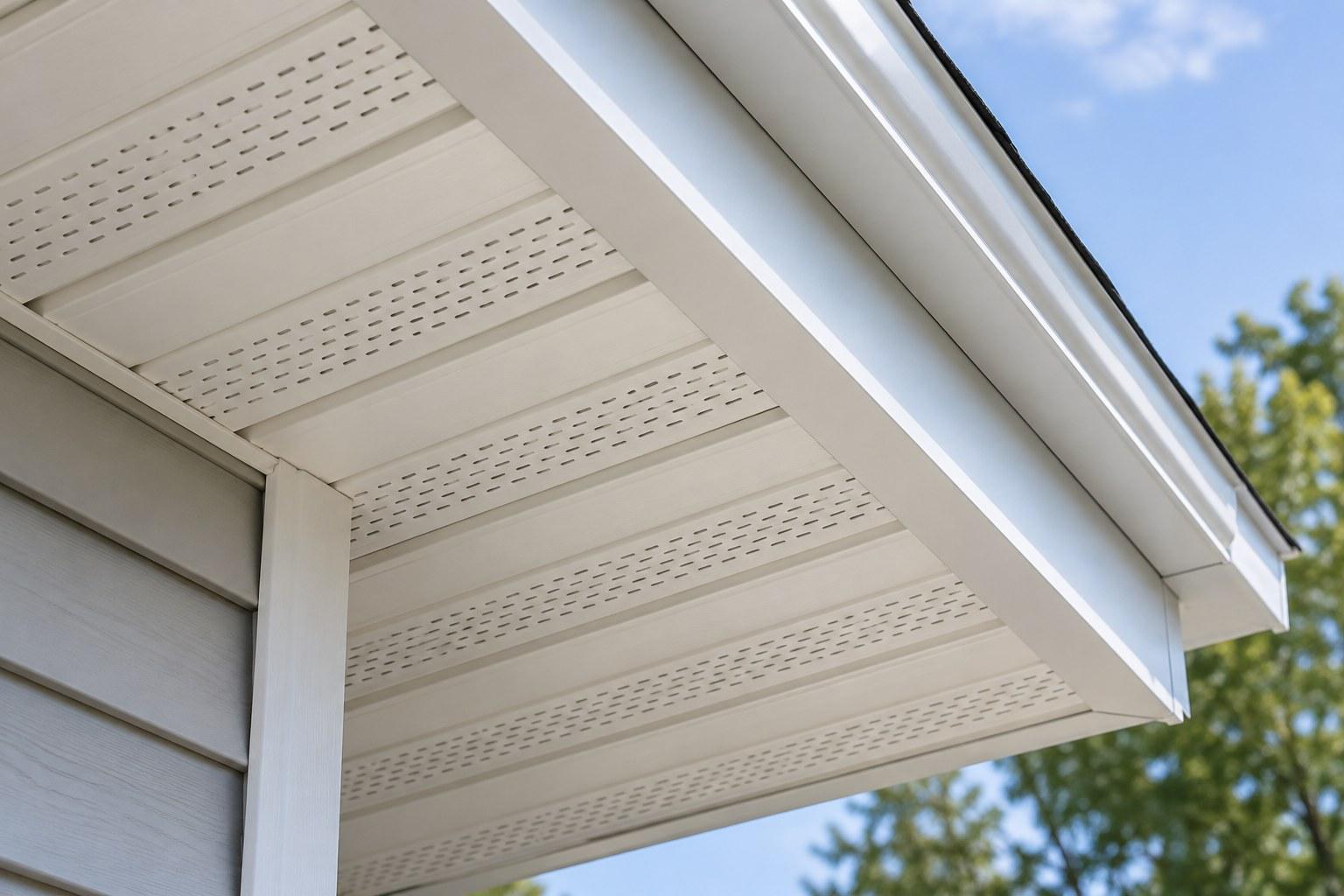
Some steps are simple, while others are best handled with a roofing project.
Clear Blocked Soffit Vents
Insulation pushed against the eaves, paint over vent openings and debris can all block intake. Baffles installed between the rafters keep insulation away from the soffits so air can flow up under the deck.
Add Vented Soffit
Some older homes have solid wood soffits with little or no intake at all. Replacing them with vented soffit and wrapping the fascia gives the attic a steady supply of fresh air while sealing gaps that pests use to get in.
Install Ridge Ventilation During a Roof Replacement
A roof replacement is the ideal time to correct attic ventilation. With the old shingles torn off down to the deck, the crew can cut in a continuous ridge vent, inspect and replace soft decking, and install new flashing at the same time.
Pair Ventilation With Insulation and Air Sealing
Ventilation works best alongside good insulation and sealed attic bypasses. Sealing gaps around light fixtures, hatches and pipes keeps moist indoor air out of the attic in the first place, and bathroom fans should vent outdoors rather than into the attic.
Check Your Attic Twice a Year
A quick look into the attic each spring and fall can catch ventilation problems before they reach the shingles. Bring a flashlight and stay on the joists or a walkway so you do not step through the ceiling below.
In fall, check that the soffit baffles are still in place and that insulation has not shifted over the eaves. Look at the underside of the roof deck for dark stains, damp spots or a musty smell. In late winter, look for frost on nail tips or on the decking after a cold night, which means moist air is collecting with nowhere to go. In spring, check for water stains that may have formed during freeze and thaw cycles, and confirm that bathroom and kitchen fans still discharge outdoors.
If anything looks off, take photos and note where you saw it. Those details make a professional inspection faster and help pinpoint whether the problem is intake, exhaust or air leaking up from the living space.
How Mr. Home Renewal Checks Your Attic and Roof
Every free inspection from Mr. Home Renewal includes a condition review that checks for aging materials, storm damage, ventilation issues and common problem areas. Drone photos capture every slope, vent and flashing detail, and you keep those photos whether or not you move forward with work.
When a roof replacement in Lee's Summit or anywhere in the metro is the right call, our crews tear off to the deck, inspect the decking, install new step, valley and kick-out flashing and add ridge ventilation to protect the deck. Ventilation is corrected on older attics as part of the job. We also install vented soffit and fascia and offer financing options for homeowners who want to spread out the cost.
Frequently Asked Questions
How do I know if my attic has enough ventilation?
Look for warning signs such as frost or damp insulation, blistered shingles, ice dams and a very hot upstairs. A roof inspection can confirm whether intake and exhaust are balanced.
Can an attic have too much ventilation?
The bigger concern is usually imbalance rather than too much airflow. Plenty of exhaust with little intake, or mixed exhaust types, can keep air from moving the way it should.
Does attic ventilation matter in winter?
Yes. Winter ventilation carries away moisture from the living space and helps keep the roof deck cold, which reduces condensation, mold and ice dams.
Should I close my attic vents in winter?
No. Closing vents traps moisture in the attic. Vents should stay open year-round so the attic can keep breathing.
Can poor ventilation damage a new roof?
Yes. Trapped heat and moisture can wear on new shingles and decking just like old ones, which is why ventilation should be reviewed during any roof replacement.
Can attic ventilation be improved without replacing the roof?
Often, yes. Clearing blocked soffits, adding baffles, installing vented soffit and sealing air leaks can all help. Larger changes like a ridge vent are easiest during a replacement.
Give Your Roof Room to Breathe
Attic ventilation is one of the least visible parts of a roof, but it plays a big role in how long your shingles and decking last. Catching ventilation problems early can help you avoid soft decking, ice dams and premature shingle wear. Call Mr. Home Renewal at (816) 282-1651, or visit us at 833 SW Lemans Ln, Ste 216, Lee's Summit, MO 64082, to schedule a free drone roof inspection for your Greater Kansas City home.
Ready to see what is happening above your ceiling?