6 Simple Ways to Prevent Ice Dams on Your Kansas City Roof
By Josh Gibbs, Owner of Mr. Home Renewal
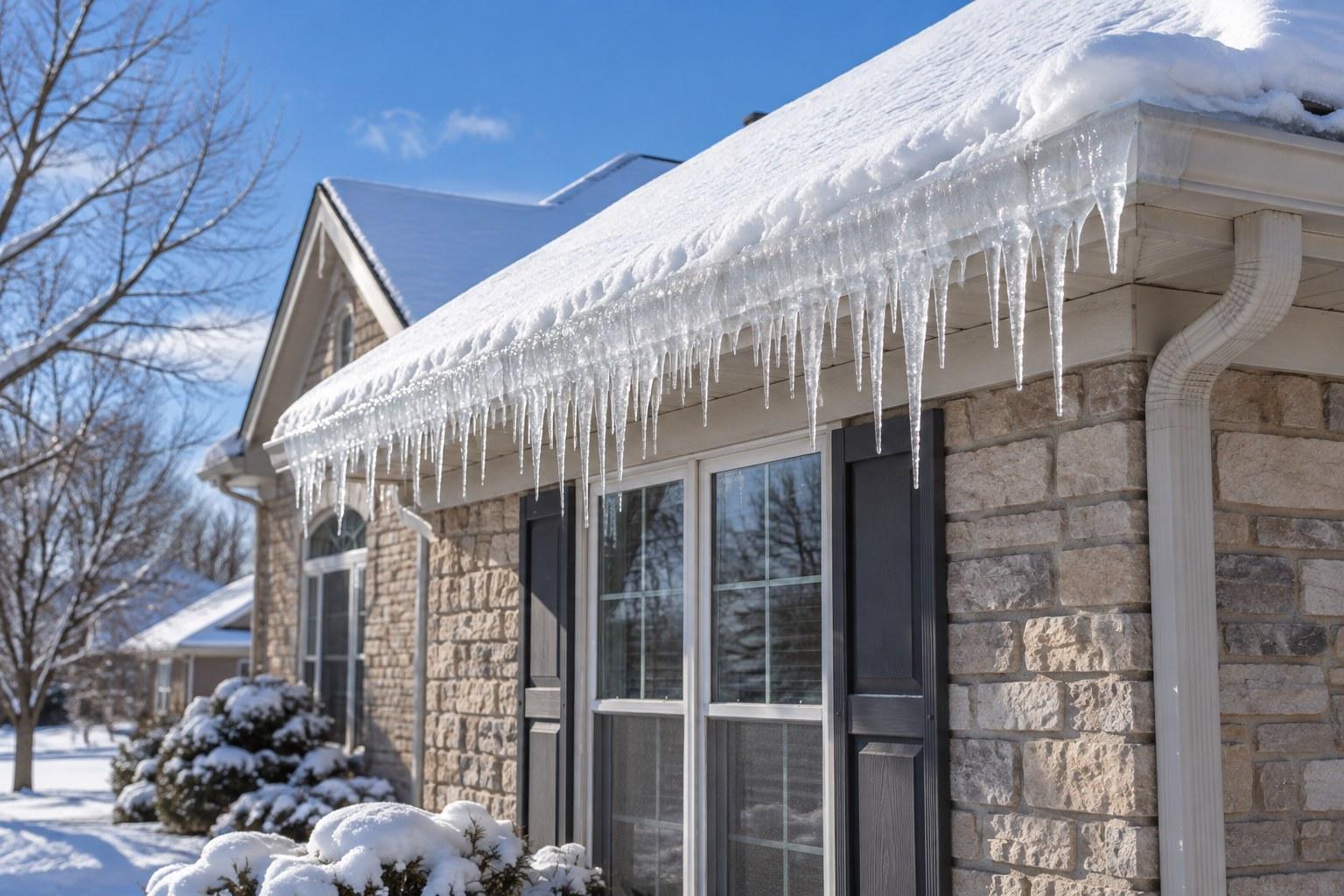
Kansas City winters rarely bring one big snowfall and then stay frozen. Instead, homeowners get a cycle of snow, sun, melting and refreezing that can repeat several times in a single week. That cycle is exactly what creates ice dams, the thick ridges of ice that build up along the edge of a roof and trap melting snow behind them.
The good news is that most ice dams are preventable. The steps below explain why they form, how to spot trouble early and what you can do now, before the coldest months, to protect your roof, gutters and ceilings. If you live in Lee's Summit, Blue Springs, Overland Park or anywhere in the metro, these tips apply to your home.
Want to know how your roof looks heading into winter?
Key Takeaways
- Ice dams form when heat escaping from the attic melts snow on the upper roof and the water refreezes at the colder roof edge.
- Balanced attic ventilation and good insulation are the most reliable ways to prevent ice dams over the long term.
- Clean, securely attached gutters help meltwater drain instead of backing up under shingles.
- Warning signs include large icicles, ice along the eaves, water stains on ceilings and damp spots in the attic.
- Never chip ice off a roof with a hammer or shovel, since that can tear shingles and cause more damage than the ice itself.
What Is an Ice Dam?
An ice dam is a ridge of ice that forms along the lower edge of a roof, usually right above the gutters. Once that ridge forms, snow that melts higher on the roof has nowhere to go. The water pools behind the ice and can work its way under shingles, where it may reach the roof deck, the attic and eventually the ceilings and walls inside your home.
Ice dams are not just a cosmetic problem. Water that sits under shingles can soak the wood decking, ruin insulation, stain drywall and encourage mold. The weight of heavy ice can also bend or pull gutters away from the fascia board behind them.
Why Ice Dams Form on Kansas City Roofs
Three things need to happen at the same time for an ice dam to form: snow on the roof, a warm upper roof surface and a cold roof edge. The upper part of the roof gets warm when heat from the living space escapes into the attic. That heat warms the roof deck from below and melts the snow sitting on top of it.
The meltwater runs down the slope until it reaches the eaves. The eaves hang out past the heated walls of the house, so they stay at the outdoor temperature. When the water hits that cold edge, it freezes. Each melt and refreeze adds another layer, and the dam grows.
Kansas City weather makes this cycle especially common. Sunny afternoons after a snowfall can melt snow quickly, and nights often drop well below freezing again. Homes go through that swing over and over during a typical winter.
Older Homes Face Extra Risk
Many neighborhoods across the metro were built during the post-war building boom of the 1940s to 1960s. Homes from that era were often built with minimal attic ventilation and less insulation than newer homes. Fast-built subdivisions from later decades sometimes got only the minimum as well, with too few vents for the size of the attic. When warm air builds up in an attic with nowhere to go, the roof deck warms up and ice dams become far more likely.
Trees, Shade and Humidity Play a Role
Mature trees are common in older Kansas City neighborhoods. They drop leaves that clog gutters and keep north-facing slopes shaded and damp. Homes near lakes and creeks, such as those around Longview Lake or Lake Lotawana, can also deal with extra humidity, which makes balanced attic ventilation even more important.
Warning Signs of Ice Dams
You do not have to climb onto the roof to spot the early signs. Look for these from the ground and from inside your home:
- Large icicles along the gutters. A few small icicles are normal, but thick, heavy icicles often mean water is melting and refreezing at the edge.
- A ridge of ice along the eaves. If you see a solid band of ice at the bottom of the roof, an ice dam is already forming.
- Water stains on ceilings or walls. Brown spots near exterior walls, especially on upper floors, can point to water getting under the shingles.
- Damp or frosty insulation in the attic. Wet insulation or frost on the underside of the roof deck is a sign of warm, moist air collecting in the attic.
- Gutters sagging or pulling away. The weight of ice can loosen hangers, especially where the fascia board behind them is soft or rotted.
Simple Ways to Prevent Ice Dams
The best way to prevent ice dams is to keep the whole roof surface cold and give meltwater a clear path off the roof. These steps work together, so most homes benefit from more than one of them.
1. Improve Attic Ventilation
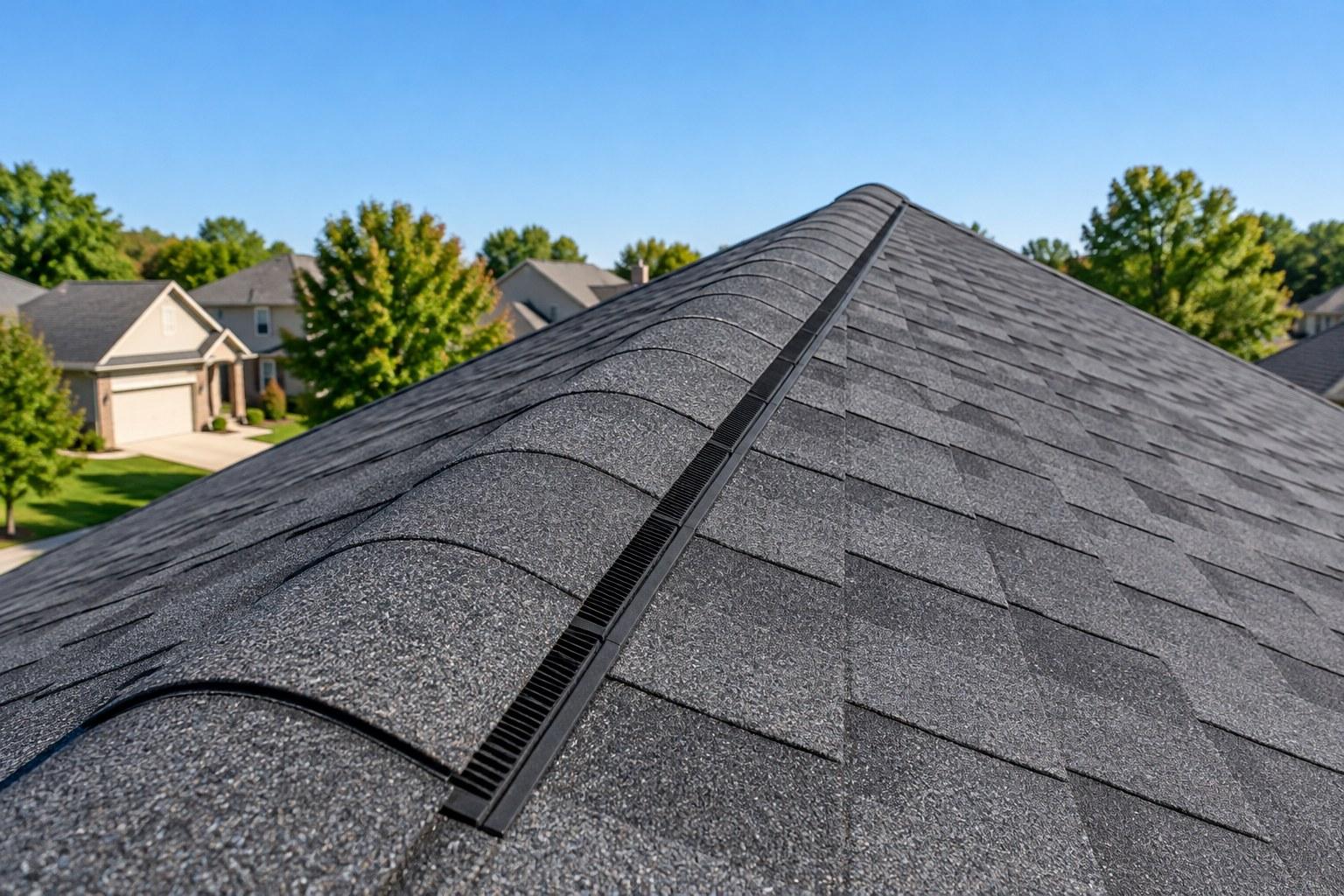
Good ventilation lets cold outside air move through the attic and carry warm air out. A balanced system usually pairs intake vents in the soffits with exhaust vents near the ridge. When both sides work together, the roof deck stays closer to the outdoor temperature, so snow melts more evenly instead of melting up top and freezing at the edge.
Ventilation only works if air can actually get in. Blocked soffit vents, painted-over vent openings and insulation stuffed against the eaves can all choke off airflow. If your home has few vents or solid soffits, it may be time to talk with a contractor about ridge ventilation and vented soffit.
2. Add or Upgrade Attic Insulation
Insulation keeps heat inside your living space instead of letting it rise into the attic. Thin or uneven insulation leaves warm spots on the roof deck, and those warm spots are where snow melts first. Adding insulation to the attic floor is one of the most effective ways to reduce the heat that causes ice dams. Just make sure new insulation does not block the soffit vents.
3. Seal Air Leaks Into the Attic
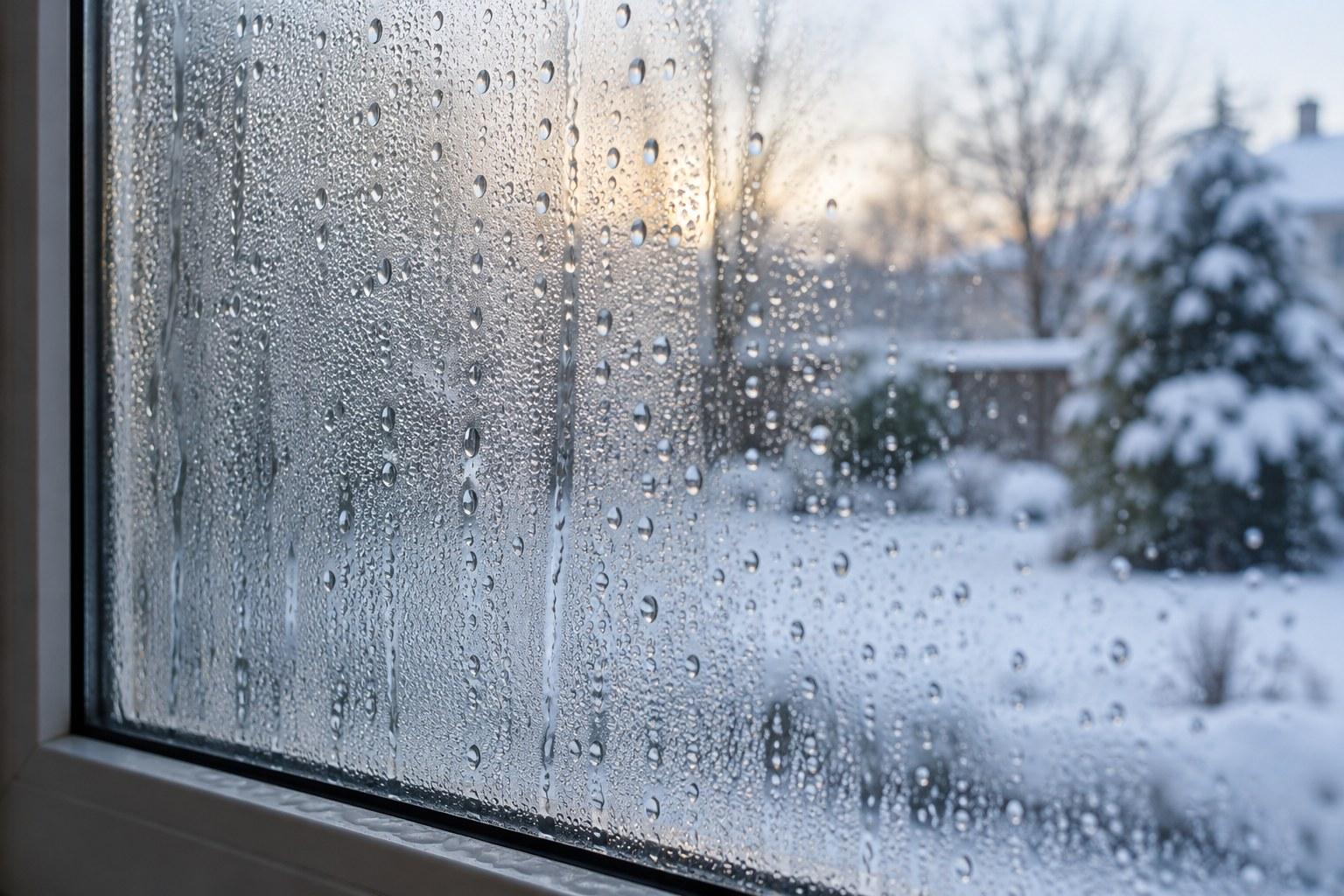
Warm air can leak into the attic through small gaps around recessed lights, attic hatches, plumbing vents, bathroom fans and wiring holes. Sealing those openings keeps heat and moisture where they belong. Bathroom and kitchen fans should vent all the way outside, not into the attic, since that moist air can lead to frost and ice buildup.
4. Keep Gutters Clean and Secure
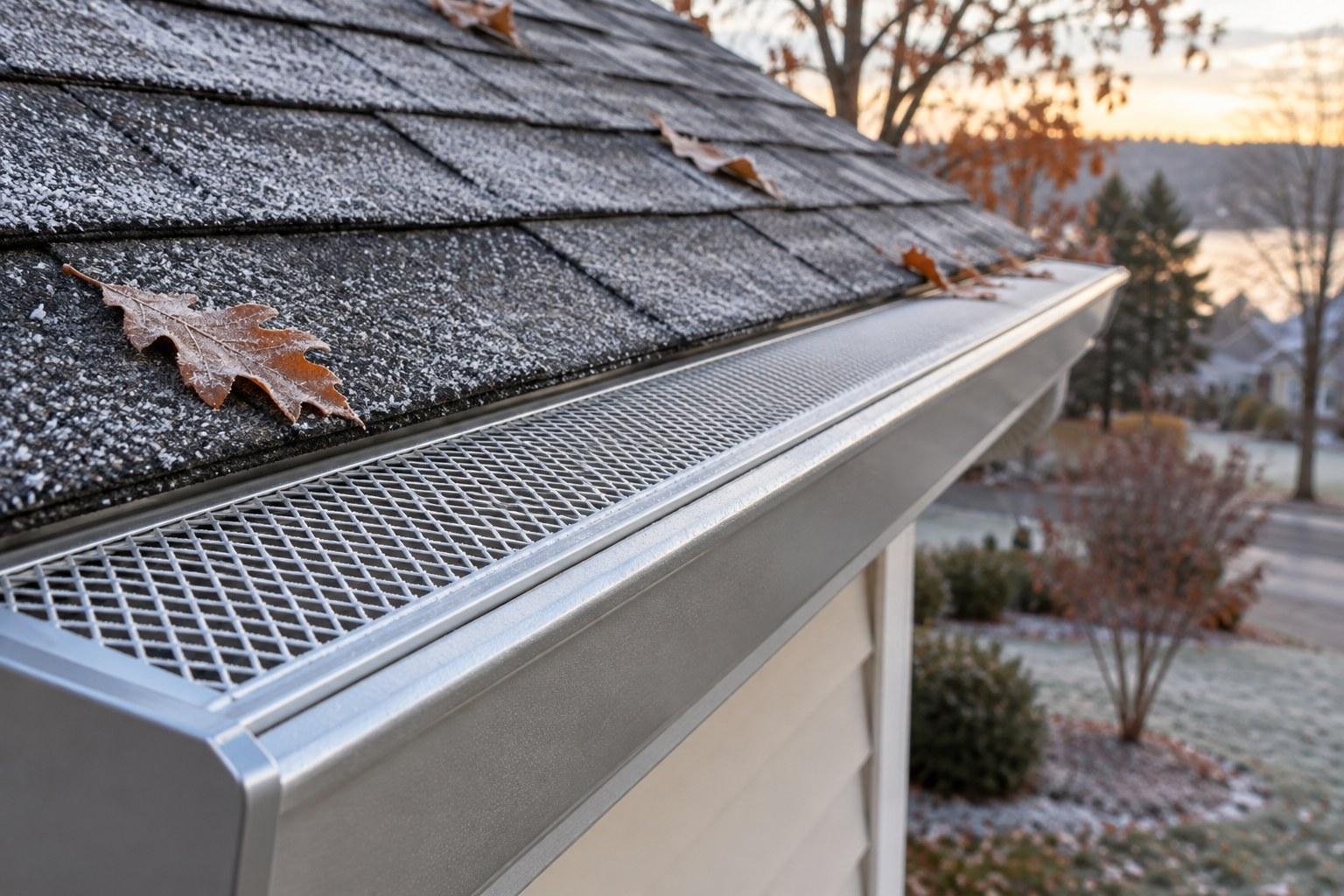
Gutters packed with leaves and shingle grit hold water right at the roof edge, which gives ice a head start. Clean your gutters in late fall after the leaves drop, and check that the hangers are tight and the downspouts drain away from the house. Gutter guards can cut down on clogs from leaves and debris, and seamless gutters remove the joints where leaks tend to start.
5. Replace Damaged Shingles and Flashing Before Winter
Ice dams cause the most damage when water finds an opening. Missing or lifted shingles, cracked vent boots and loose flashing give meltwater an easy path into the roof deck. Fixing those weak spots in the fall is far easier than dealing with a leak in January.
6. Remove Heavy Snow Safely
After a big snowfall, a roof rake with a long handle lets you pull snow off the lower few feet of the roof while you stand safely on the ground. Less snow at the edge means less meltwater feeding the dam. Avoid climbing onto an icy roof, and never use a hammer, ice pick or shovel to chip away ice, since that can crack shingles and damage gutters.
Quick Fixes vs Long-Term Solutions
Some steps help in the moment, while others solve the problem at its source. This table shows how they compare.
| Approach | What It Does | Best For |
|---|---|---|
| Roof rake | Removes snow from the roof edge after a storm | Short-term relief during heavy snow |
| Gutter cleaning | Lets meltwater drain off the roof | Every fall, before freezing weather |
| Air sealing | Stops warm air from leaking into the attic | Long-term prevention |
| Attic insulation | Keeps living-space heat out of the attic | Long-term prevention |
| Balanced ventilation | Keeps the roof deck cold and dry | Long-term prevention, especially in older homes |
| Shingle and flashing repairs | Closes openings water can get through | Before winter, after storms |
What to Do if You Already Have an Ice Dam
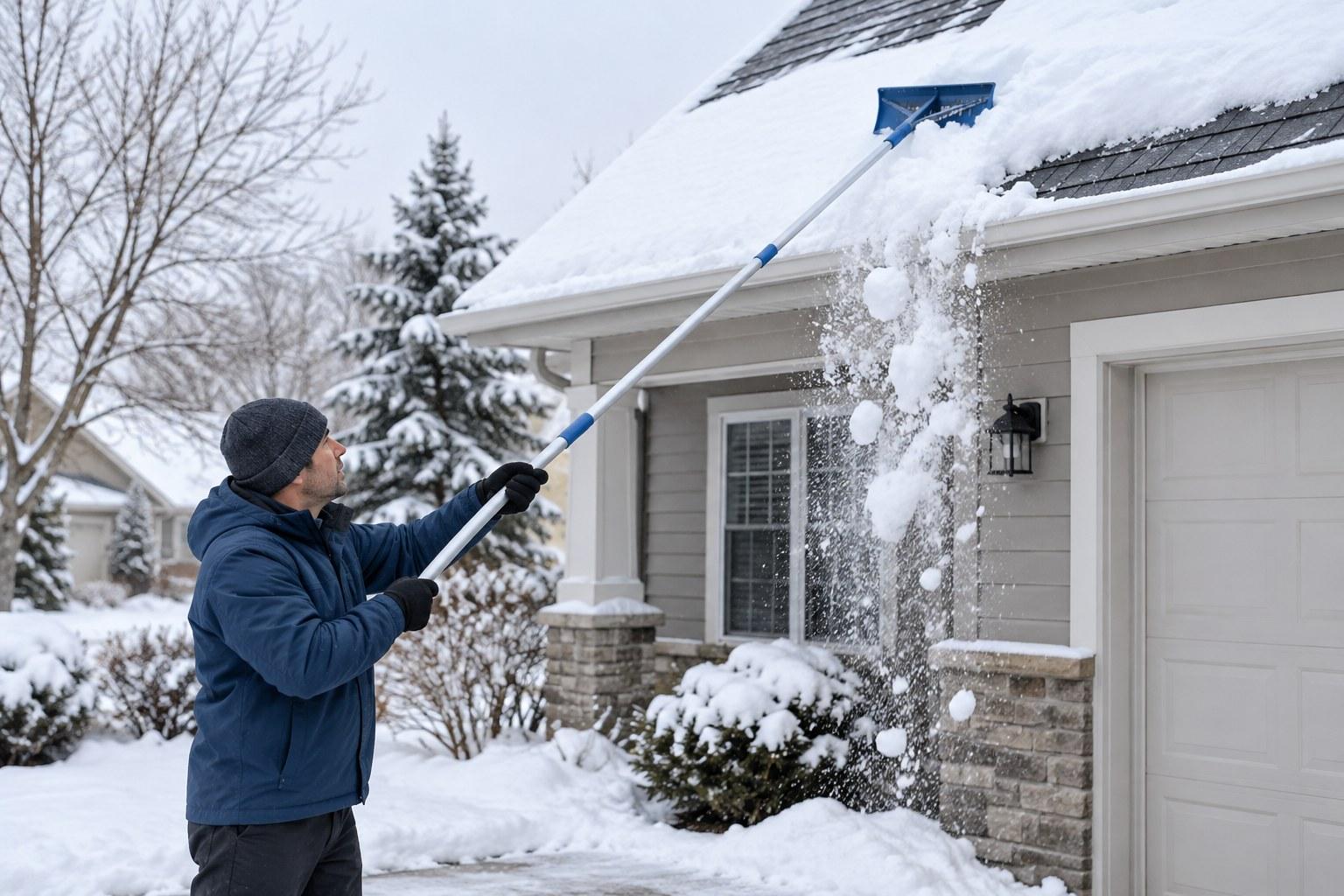
If ice is already built up along your roof edge, focus on safety first. Stay off the roof and keep people and pets clear of the area below heavy icicles. Use a roof rake from the ground to remove snow above the dam so less water feeds it.
Inside the house, check the attic and upper-floor ceilings for drips or stains. Place towels or buckets under active leaks and move belongings away from the area. Take photos of any damage, along with the date, in case you need them later.
Once the weather breaks, have the roof checked. An ice dam that leaked once will likely leak again unless the cause is fixed, whether that is weak ventilation, missing insulation or damaged shingles and flashing.
Seeing stains or soft spots after a winter storm?
How a Pre-Winter Roof Inspection Helps
Many of the issues that lead to ice dams are hard to see from the yard. A free drone inspection from Mr. Home Renewal captures close-up photos of every slope, valley, vent and flashing detail, and you keep the photos whether or not you move forward with any work. The condition review checks for aging materials, storm damage, ventilation issues and common problem areas.
If the inspection turns up a problem, you get honest advice about whether a roof repair makes more sense than a replacement. When a new roof is the right call, our team tears off down to the deck and installs new flashing and ridge ventilation to protect the deck. We also handle seamless gutters and gutter guards and vented soffit and fascia, so the whole roof edge works together.
Frequently Asked Questions
Are icicles always a sign of an ice dam?
Not always. A few small icicles can form on any home. Large, thick icicles or a solid ridge of ice along the eaves are stronger signs that snow is melting higher up and refreezing at the edge.
Can gutters cause ice dams?
Gutters do not cause ice dams on their own, but clogged gutters make them worse by holding water at the roof edge. Clean, well-attached gutters help meltwater drain away.
Does a new roof prevent ice dams?
A new roof closes openings and adds fresh flashing, but ice dams are mostly caused by heat escaping into the attic. Ventilation, insulation and air sealing matter just as much as the shingles.
Is it safe to remove ice from my roof myself?
Using a roof rake from the ground to clear snow is a safe option for most homeowners. Climbing onto an icy roof or chipping at ice with tools is not safe and can damage shingles and gutters.
Will homeowners insurance cover ice dam damage?
Coverage depends on your policy and the cause of the damage. Check with your insurance provider, and keep dated photos of any damage to share with your adjuster.
When should I have my roof checked for ice dam risks?
Fall is ideal, before freezing weather sets in. That gives you time to make repairs and improve ventilation while the weather still allows the work to be done.
Protect Your Roof Before the Next Freeze
Ice dams start with heat escaping into the attic, but they end with water in places it should never be. A little preparation now, from cleaning gutters to improving ventilation, can save you from stained ceilings and costly repairs later in the season. Call Mr. Home Renewal at (816) 282-1651, or visit us at 833 SW Lemans Ln, Ste 216, Lee's Summit, MO 64082, to schedule a free drone roof inspection for your Greater Kansas City home.
Ready to head into winter with confidence?